Real problems. Real time. Real projects.
Our method comes from Action Learning, and from fifteen years of finding out which parts of it survive in hierarchical organisations and resource-constrained markets.
The starting point
An organisation rarely lacks answers. It lacks the questions its own people are not free to ask.
Reg Revans wrote Action Learning as an equation: learning equals programmed knowledge plus questioning insight. Programmed knowledge is everywhere now — in manuals, in courses, on the internet. It is almost never the missing part.
Questioning insight is different. It depends on people being willing to say what they have noticed, to a group that will not punish them for it. Hierarchy removes that quietly, without anyone deciding to, which is why so much of what an organisation already knows never reaches the decision it belongs to.
Everything we design is aimed at that second half.
What we develop
Mindset, skill set, tool set.
The framework explains what we develop. Research-based practice and Action Learning explain how.
Capability / 01–03
- 01 Mindset How people interpret
- 02 Skill set What people can do
- 03 Tool set What people apply
Orientation → practice → application
- MindsetHow I think and approach challenges Self-awareness, motivation, purpose, confidence, self-efficacy, entrepreneurial mindset, growth orientation, critical thinking, resilience, ownership.
- Skill setWhat I can do and how I perform Communication, leadership, problem-solving, decision-making, creativity, teamwork, entrepreneurship, strategic thinking, project management, negotiation, reflection.
- Tool setWhat I use to apply capability Canvases, frameworks, templates, diagnostic and planning tools, business and entrepreneurial tools, learning games, simulations, digital tools, practical methodologies.
The cycle
Four moves, repeated until something changes.
A set meets on a rhythm. Each cycle takes one member's problem and puts it through the same four moves.
- PresentA member describes a real, unresolved problem they own — not a case, not a hypothetical, and not somebody else's.
- QuestionThe set questions only. No advice, no war stories. The discipline is uncomfortable at first and is the whole value of the method.
- CommitThe member states what they will do before the next meeting, in terms specific enough that it can be checked.
- ReportThey come back and say what happened, including when nothing happened. That is where most of the learning actually sits.

Where it applies
The method travels. The problem is always local.
Action Learning was not built for one industry. Wherever a group of practitioners faces a problem nobody has solved yet, the same discipline holds: question before advising, and close on an action.
Action Learning works wherever real decisions, uncertainty and consequences exist.
 Manufacturing
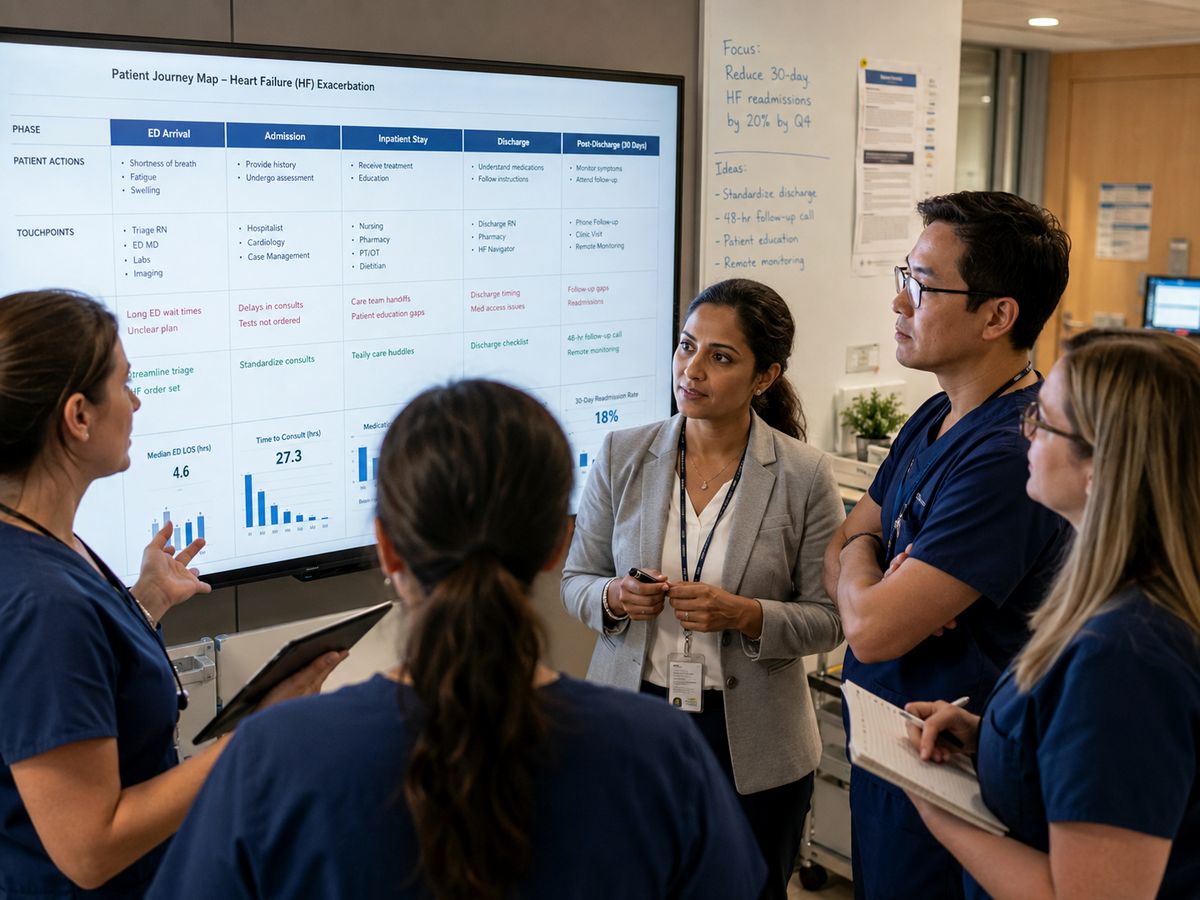 Healthcare
 Aviation
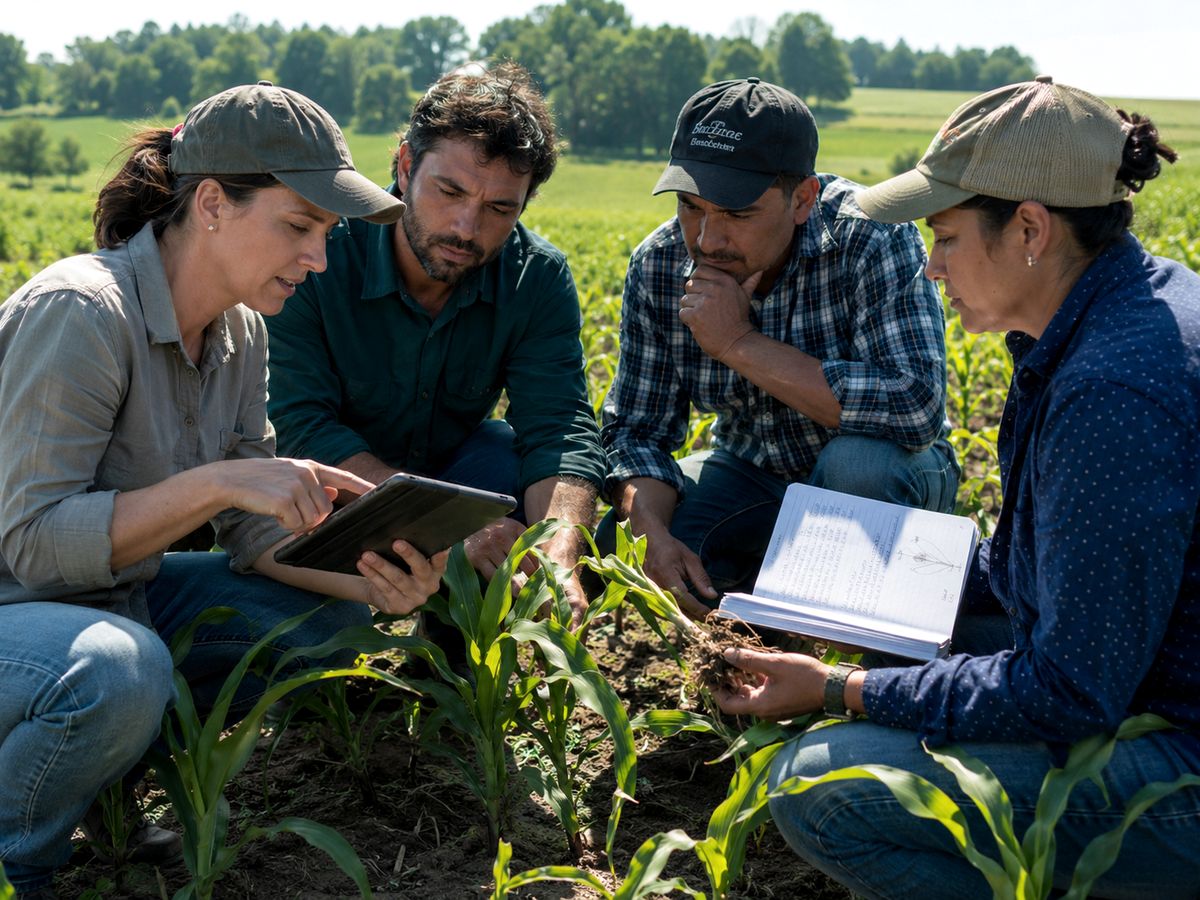 Agriculture
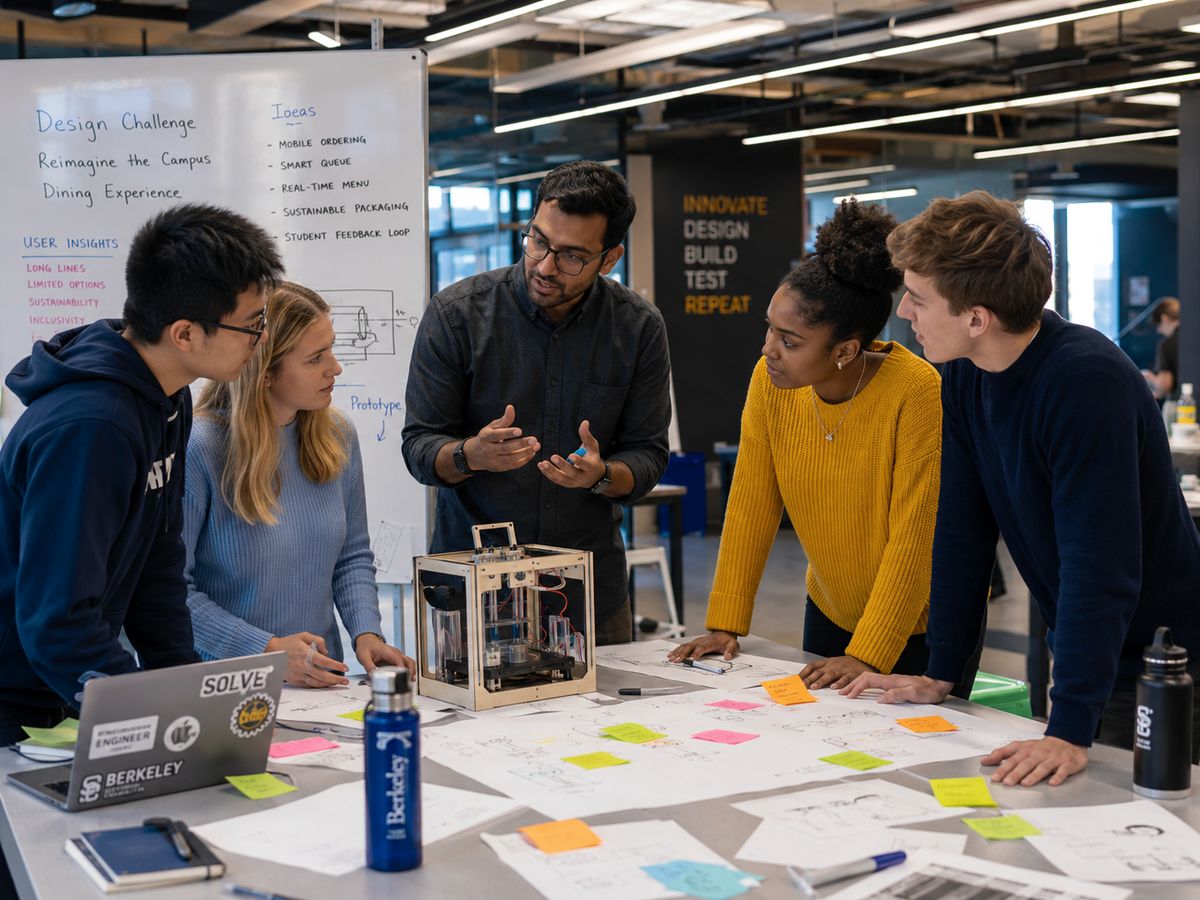 University innovation
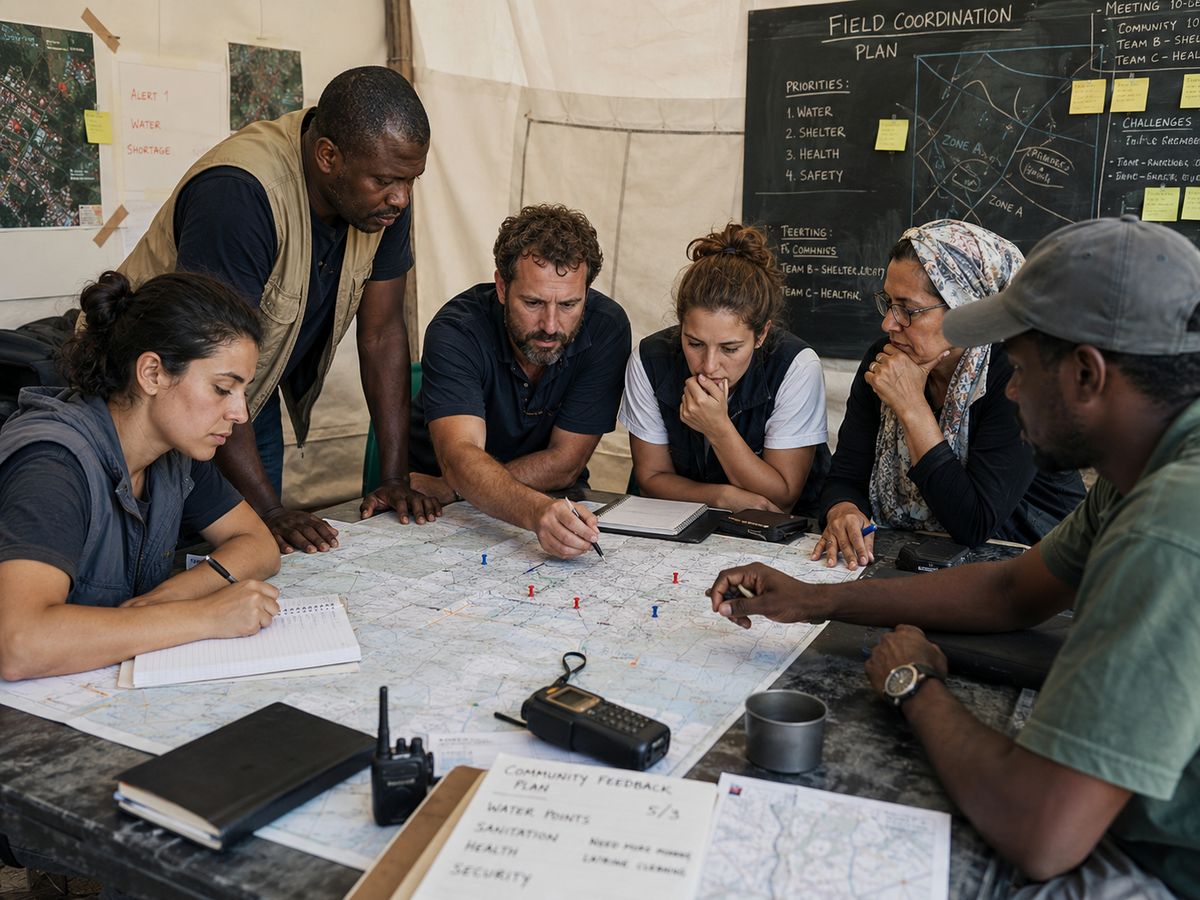 Humanitarian response
 Economic analysis
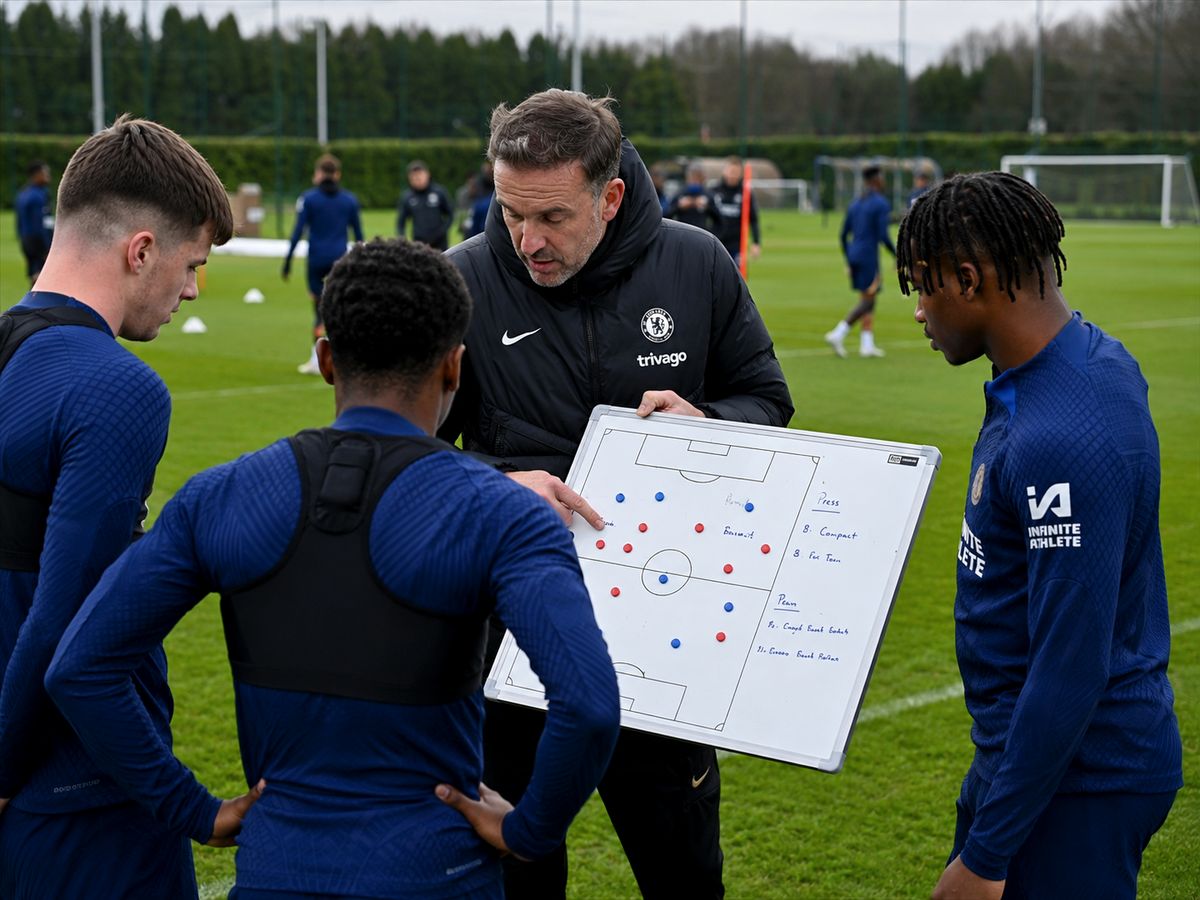 Elite sport
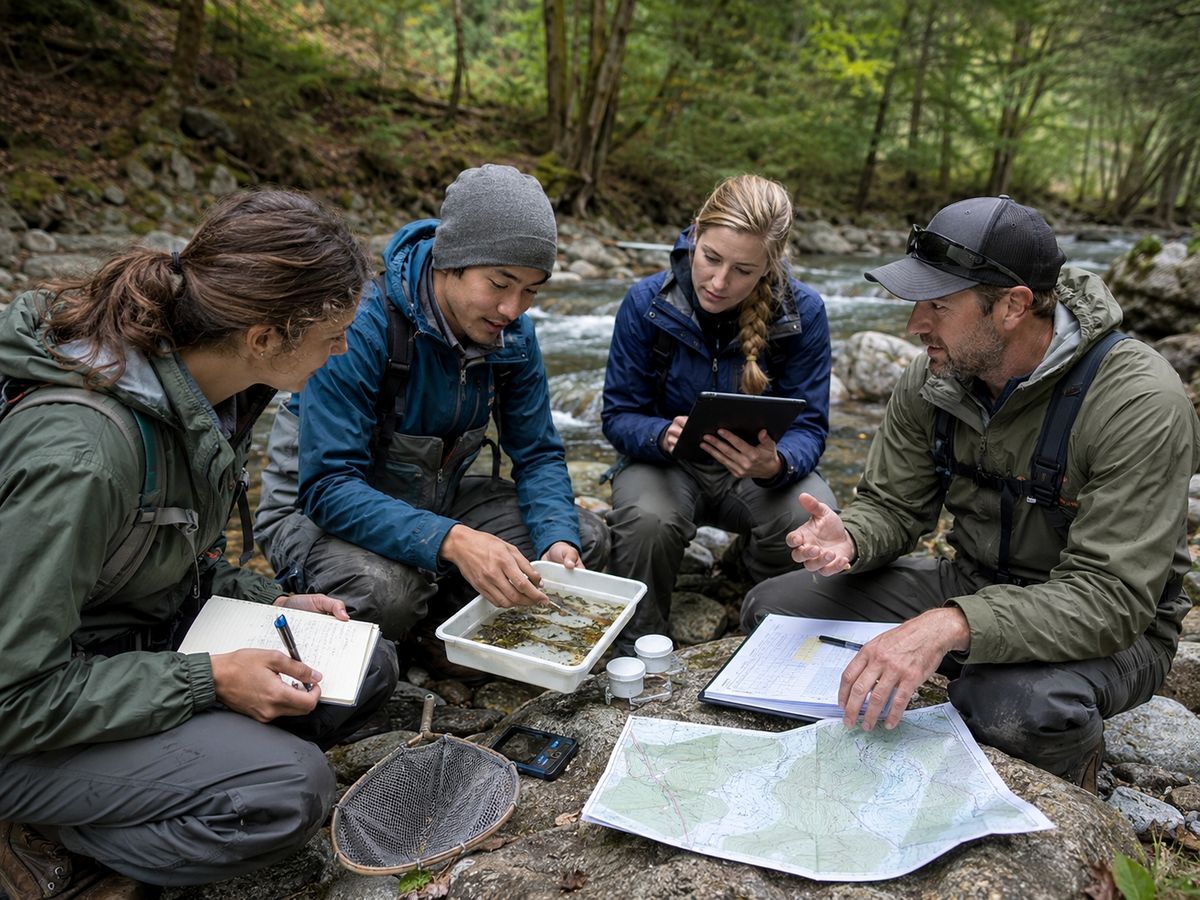 Field research
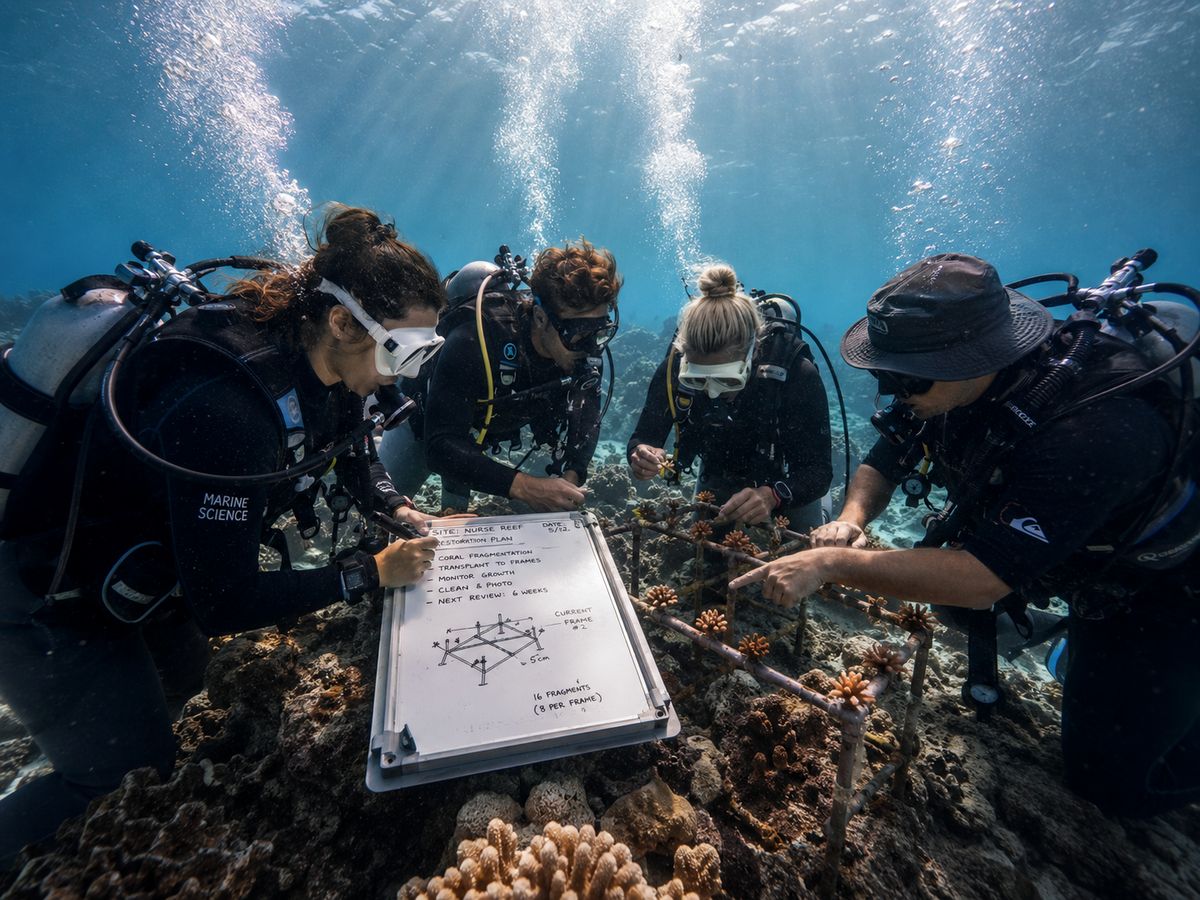 Marine science
What makes it work
Three conditions we design for from the first meeting.
Action Learning fails in predictable ways. These are the three we plan against before a programme starts.
Enough safety to be honest
In high power-distance settings the set needs more structure, not less, before people will bring the real version of a problem.
Enough authority to act
If members cannot move on what they decide, the set becomes a discussion group. We check the mandate before we start.
Enough time to iterate
One workshop changes nothing. Cycles over months are what convert insight into a way of working.
Where games fit
Experience first, explanation second.
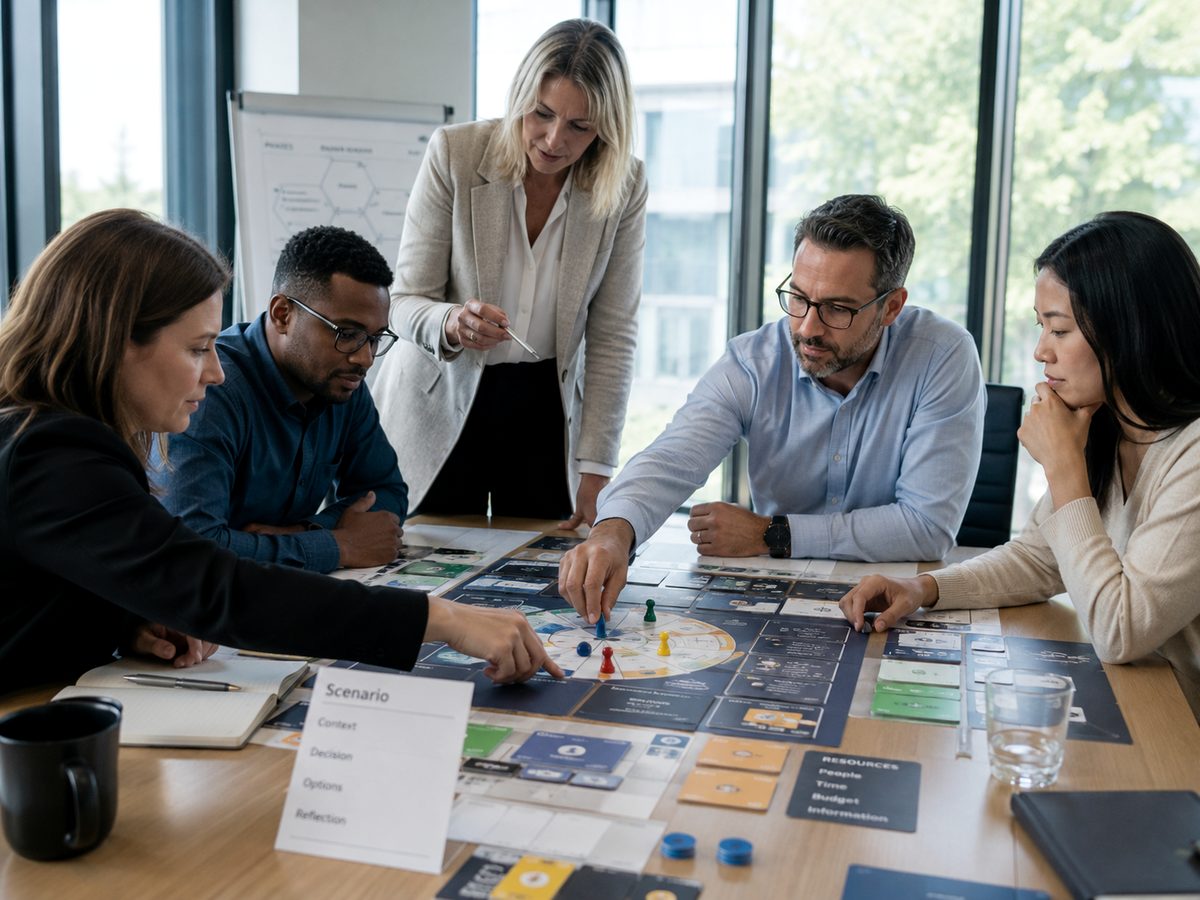
A well-built game compresses months of consequence into ninety minutes. People make the mistake in the room, feel it, and then hear the concept that explains it — which is the opposite order from a slide deck, and the reason it holds.
We use games where the idea is counter-intuitive, where a team needs to see its own dynamics from outside, or where a group has heard the theory too many times to hear it again.
Start with the problem, not the programme.
Tell us what you are trying to change, develop or improve. We will help you identify the capability, the programme or the intervention that fits the problem — and say so plainly if what you need is not a programme at all.